
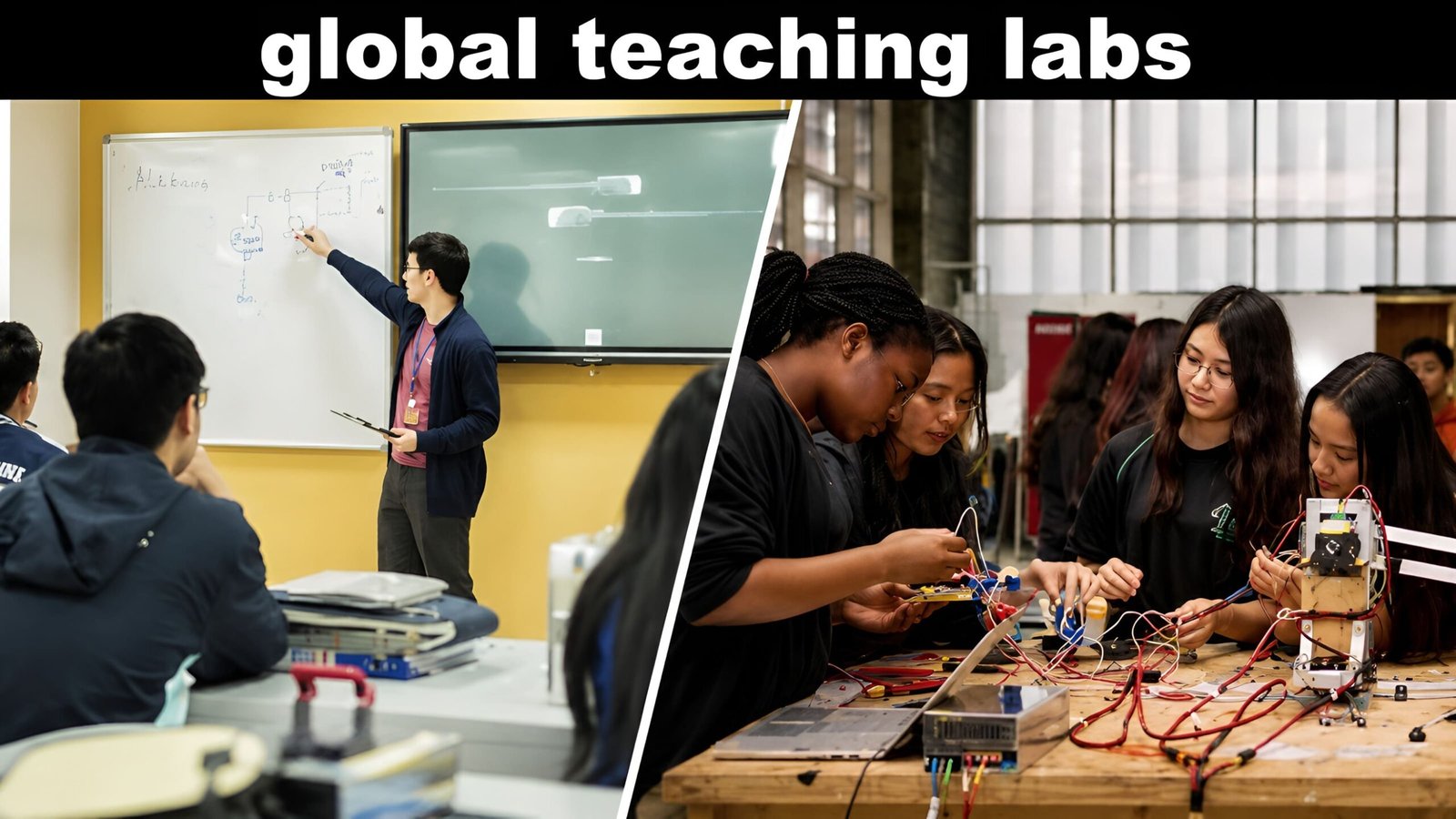
Global Teaching Labs is an international education exchange program that connects students and educators across different countries to improve teaching quality, learning methods, and cultural understanding. It focuses on hands-on, real-world classroom experience where participants teach, observe, and collaborate globally. This program helps develop innovative thinking, cross-cultural communication, and modern educational skills that strengthen global academic systems.
Introduction to Global Teaching Labs and Its Educational Purpose
Global education is changing rapidly in today’s interconnected world, where learning is no longer limited to one classroom, one country, or one teaching style. Modern education systems now focus on collaboration, global exposure, and practical experience. International teaching exchange programs have become an important part of this transformation because they allow students and educators to step outside their local systems and experience education on a global scale. These programs are designed to build bridges between different academic cultures and create shared learning environments.
The main purpose of such programs is to improve the overall quality of education by encouraging knowledge exchange between countries. Participants are exposed to different teaching methods, classroom environments, and cultural perspectives. This helps them develop adaptability, creativity, and critical thinking skills. Instead of learning only theory, they experience how education works in real-world global settings, making learning more meaningful and practical for long-term academic and professional growth.
How Global Education Exchange Programs Improve Modern Learning Systems
Modern education systems are continuously evolving, and global exchange programs play a major role in this development. These programs introduce new ways of teaching and learning that go beyond traditional textbooks and lectures. Students are encouraged to participate in interactive learning activities, discussions, and problem-solving tasks that improve their understanding and engagement. This practical approach helps learners develop deeper academic skills and real-world knowledge.
Educators also benefit significantly because they are exposed to different classroom environments and teaching strategies used around the world. They observe how technology, creativity, and student-centered learning are applied in different countries. This exposure allows them to improve their own teaching techniques and bring innovation into their home institutions. Over time, these improvements contribute to stronger education systems that are more effective, inclusive, and globally competitive.
Structure and Working Model of International Teaching Exchange Programs
The structure of international teaching programs is carefully planned to ensure maximum learning benefits for both participants and host institutions. Generally, candidates are selected based on academic excellence, teaching potential, and communication skills. Once selected, they are placed in partner institutions across different countries where they actively participate in teaching and learning activities under supervision and guidance.
During the program, participants engage in classroom teaching, workshops, collaborative projects, and cultural exchange sessions. They work closely with local educators to understand different academic approaches and student needs. This structured environment ensures that learning is not one-sided but mutually beneficial. Participants gain valuable international experience while host institutions benefit from fresh perspectives and innovative teaching methods.
Student Benefits in Global Learning and Teaching Exposure
Students who take part in international teaching exchange programs experience significant academic and personal growth. One of the biggest advantages is exposure to different cultures and educational systems, which broadens their understanding of the world. This exposure helps them become more open-minded, confident, and adaptable in diverse environments. It also improves their communication skills as they interact with people from different backgrounds.
Another major benefit is practical learning experience. Instead of relying only on theoretical knowledge, students actively participate in teaching and classroom activities. This hands-on approach strengthens their problem-solving abilities and critical thinking skills. It also prepares them for future academic challenges and professional careers by giving them real-world experience in global education environments.
Teacher Development Through International Collaboration Programs
Teachers participating in global education programs gain valuable professional experience that helps them grow in their careers. They are introduced to innovative teaching methods that focus on student engagement, technology integration, and creative learning approaches. By observing international classrooms, teachers learn how to adapt their teaching style to meet different student needs effectively.
In addition to improving teaching skills, these programs also help educators develop leadership qualities and confidence. They collaborate with international colleagues, exchange ideas, and build strong professional networks. This not only enhances their personal growth but also improves the overall quality of education in their home institutions, as they bring back new knowledge and techniques.
Cultural Exchange and Global Understanding in Education Systems
Cultural exchange is one of the most powerful aspects of international education programs. Participants get the opportunity to experience different traditions, languages, lifestyles, and values. This exposure helps them develop respect for diversity and a deeper understanding of global cultures. It also breaks stereotypes and promotes unity among people from different parts of the world.
Such experiences play an important role in building global citizens who are aware of cultural differences and can work effectively in international environments. Students and teachers learn how to collaborate with people from different backgrounds, which is an essential skill in today’s globalized world. This cultural understanding strengthens international relationships and promotes peace through education.
Innovation and Technology in Modern Education Exchange Programs
Innovation is a key driver of modern education systems, and international programs strongly encourage its use. Many institutions now use digital learning tools, online collaboration platforms, and interactive teaching technologies to enhance the learning experience. These tools make education more engaging, flexible, and accessible for students and teachers.
Through these programs, participants are introduced to advanced teaching techniques such as blended learning, project-based education, and smart classroom systems. This helps them understand how technology can improve student engagement and learning outcomes. As a result, education becomes more dynamic, interactive, and aligned with global standards.
Challenges in International Education Exchange Programs
While international teaching programs offer many benefits, they also come with certain challenges. One of the most common issues is language barriers, which can make communication between participants and students difficult. Cultural differences may also affect teaching styles and classroom interactions, requiring participants to adapt quickly to new environments.
Other challenges include funding limitations, travel arrangements, and coordination between institutions. Sometimes, differences in academic systems can also create adjustment difficulties for participants. However, with proper planning, training, and support systems, these challenges can be managed effectively, ensuring a smooth and successful learning experience.
Future of Global Education and International Collaboration
The future of education is strongly moving toward global collaboration and digital integration. More institutions are expected to adopt international teaching models that promote cross-border learning and cooperation. Technology will play a central role in connecting students and educators from different parts of the world through virtual classrooms and online learning platforms.
This shift will make global education more accessible to a larger audience, removing geographical limitations. Students will be able to participate in international learning experiences without physically traveling. This evolution will make education more inclusive, flexible, and aligned with the demands of a rapidly changing global economy.
Career Growth and Academic Impact of Global Learning Programs
Participation in international education programs has a strong impact on both academic and career development. Students gain valuable global exposure that enhances their resumes and makes them more competitive in the job market. Employers highly value candidates who have international experience because it shows adaptability, communication skills, and global awareness.
For teachers and educators, these programs open doors to better career opportunities, leadership roles, and professional recognition. The skills gained through international exposure also improve teaching quality and academic performance. Overall, these programs contribute significantly to long-term career success and academic excellence.
Conclusion
International education exchange programs play a vital role in transforming modern learning systems by promoting collaboration, innovation, and cultural understanding. They help students and teachers gain real-world experience and develop global skills that are essential in today’s interconnected world. Although challenges exist, the long-term benefits of these programs are far greater and contribute to stronger education systems worldwide.
The future of education depends on global cooperation, and such programs are an important step toward building a more connected, innovative, and inclusive academic environment.
FAQs
1. What is Global Teaching Labs?
It is an international education exchange program focused on teaching and learning collaboration across countries.
2. Who can participate in it?
Students and educators with strong academic backgrounds can apply depending on program eligibility.
3. What skills can participants gain?
They gain communication, teaching, leadership, and cultural understanding skills.
4. Is international experience important for careers?
Yes, it improves job opportunities and professional growth significantly.
5. What challenges do participants face?
Language barriers, cultural differences, and adaptation issues are common challenges.
6. How does it benefit education systems?
It improves teaching methods and introduces global learning practices.
7. Is this program future-focused?
Yes, it is aligned with the future of global and digital education systems.
Fore more info: Uktimeinsider.co.uk
