
Choosing the right dog toy manufacturer is an important decision for pet brands, retailers, wholesalers, and businesses looking to expand their product collections. Dog owners are always searching for toys that keep their pets entertained, encourage physical activity, and provide mental stimulation. As a result, the demand for creative, functional, and appealing dog toys continues to create opportunities for businesses in the pet industry.
For companies that want to stand out in a competitive market, developing a custom dog toy can be an effective strategy. Instead of selling the same products available everywhere, brands can introduce unique designs that reflect their identity and meet the preferences of their target customers.
Working with an experienced manufacturing partner makes it easier to transform product ideas into finished items. From selecting materials and designing shapes to choosing colors and packaging, the right manufacturer can support businesses throughout the product development process.
Why Choosing the Right Dog Toy Manufacturer Matters
A manufacturing partner plays an important role in determining the quality, appearance, and market potential of a dog toy. Businesses need more than a supplier that simply produces products. They need a partner who understands product development, material selection, manufacturing requirements, and customer expectations.
An experienced dog toy manufacturer can help businesses develop products for different types of dogs, including puppies, small breeds, medium-sized dogs, and larger breeds.
Consistent Product Quality
Product quality directly affects customer satisfaction. Dog toys are used for chewing, fetching, playing, and training, so their construction and materials require careful consideration.
A professional manufacturer should have quality control procedures covering material inspection, production processes, product finishing, and final inspection. These steps help businesses maintain consistent product standards across different production batches.
Better Product Development Support
Developing a new toy involves several decisions, including its shape, dimensions, texture, material, and intended purpose.
A knowledgeable manufacturing partner can provide suggestions to improve the original concept. This support helps businesses avoid unnecessary design complications and develop products that are suitable for their target markets.
Flexible Manufacturing Options
Different businesses have different requirements. A startup may need a small initial production run, while an established distributor may require larger quantities.
Manufacturers offering flexible production arrangements can make it easier for businesses to manage inventory, test new designs, and expand their product ranges.
What Makes a Custom Dog Toy a Valuable Product?
A custom dog toy allows businesses to create products that are different from standard market offerings. Customization provides opportunities to develop recognizable designs, introduce new product categories, and build a stronger brand identity.
Rather than competing only on price, businesses can offer products with distinctive features that appeal to specific customer groups.
Unique Shapes and Designs
Shape is one of the first features customers notice when shopping for dog toys. Businesses can develop toys in different forms, such as bones, balls, animals, rings, ropes, and interactive shapes.
Custom designs can also incorporate brand-specific details, helping products become more recognizable in retail stores and online marketplaces.
Customized Colors and Branding
Color selection is another important part of product development. Bright colors can attract attention, while coordinated brand colors create a consistent product identity.
Manufacturers may also offer options such as customized logos, embossed details, printed branding, and branded packaging, depending on the selected material and production method.
Different Textures and Functional Features
Dogs interact with toys in different ways. Some enjoy chewing textured surfaces, while others prefer toys that bounce, move, or contain treats.
Businesses can explore features such as:
- Textured surfaces for chewing activities.
- Treat-dispensing designs for interactive play.
- Flexible materials for different play styles.
- Squeakers for sound-based entertainment.
- Rope elements for supervised tug games.
- Puzzle-inspired shapes for mental stimulation.
These features help brands create product collections for different customer preferences.
Popular Types of Custom Dog Toys
Before contacting a manufacturer, businesses should understand the main dog toy categories available in the market.
Rubber Dog Toys
Rubber dog toys are popular because they can be produced in different shapes, textures, and levels of firmness. They are commonly designed for chewing, fetching, and interactive play.
Businesses can request customized rubber formulations, colors, sizes, and surface patterns according to their product requirements.
Silicone Dog Toys
Silicone is another material used in pet product development. Its flexibility and ability to accommodate different shapes make it suitable for selected toy applications.
A manufacturer can help businesses evaluate whether silicone is appropriate for their intended product design, expected use, and material requirements.
Plush Dog Toys
Plush toys appeal to dogs that enjoy soft play objects. They are available in animal shapes, character designs, and different sizes.
Brands can customize fabric, colors, stitching details, shapes, and internal features to create distinctive products.
Interactive and Treat-Dispensing Toys
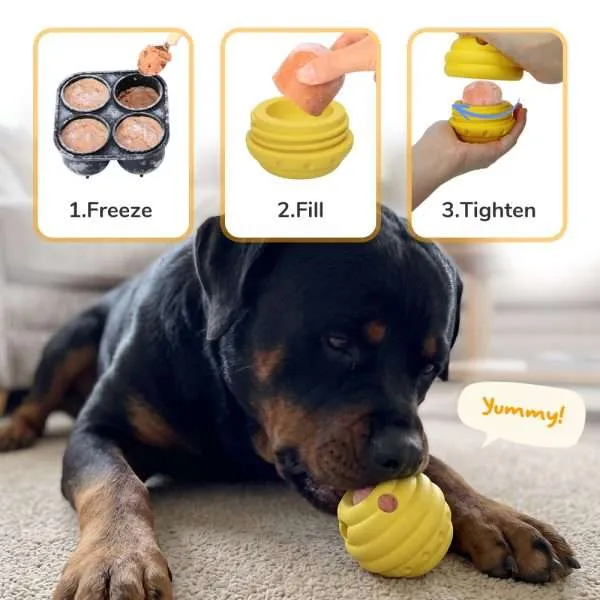
Interactive toys encourage dogs to engage with their surroundings. Treat-dispensing designs, in particular, can make playtime more engaging by allowing dogs to work for small food rewards.
These products are attractive to pet owners who want to provide additional mental stimulation during play sessions.
How a Dog Toy Manufacturer Develops a Custom Product
Understanding the manufacturing process helps businesses communicate their expectations and make better product decisions.
Step 1: Share Your Product Concept
The process usually begins with an idea, drawing, reference image, or existing product sample.
Businesses should explain the intended purpose, target dog size, preferred material, dimensions, and important design features.
The clearer the initial requirements, the easier it is for the manufacturer to evaluate the project.
Step 2: Material Selection
Material selection depends on the toy’s intended function, construction, and expected use.
Common options include natural rubber, synthetic rubber, silicone, fabric, plush textiles, and other suitable materials.
The manufacturer should explain the available options and provide relevant information about material composition and testing.
Step 3: Sample Development
A prototype or sample allows businesses to evaluate the product before beginning mass production.
During this stage, companies can review dimensions, appearance, texture, flexibility, and overall construction. Necessary adjustments can be discussed before approving the final design.
Step 4: Production and Quality Inspection
After sample approval, the manufacturer proceeds with production according to the agreed specifications.
Quality inspection should cover material consistency, dimensions, finishing, construction, and other product-specific requirements.
Step 5: Packaging and Delivery
Packaging is an important part of the customer experience. Businesses can request customized labels, product boxes, printed instructions, and retail-ready packaging.
Clear packaging specifications also help manufacturers prepare products for distribution through online stores, supermarkets, pet shops, and wholesale channels.
What Should Businesses Consider When Selecting a Manufacturer?
Not every supplier offers the same level of production capability. Before choosing a manufacturing partner, businesses should evaluate several important factors.
Manufacturing experience: Look for a company with relevant experience in producing the type of dog toys you want to sell.
Customization capabilities: Confirm whether the manufacturer can support your preferred shapes, materials, colors, branding, and packaging.
Quality management: Ask about material inspection, production monitoring, and finished-product testing.
Production capacity: Make sure the supplier can meet your expected order quantities and future expansion requirements.
Communication: Clear communication is essential when discussing product specifications, samples, pricing, and delivery schedules.
Pricing and minimum order quantities: Request detailed quotations and compare the total production costs rather than focusing only on the unit price.
How Custom Dog Toys Help Pet Brands Grow
The pet industry offers opportunities for businesses that understand changing customer preferences. However, selling generic products can make it difficult to establish a recognizable brand.
Developing a custom dog toy gives businesses greater control over product appearance and positioning.
For example, a company targeting puppy owners may develop smaller toys with suitable textures and dimensions. A brand focusing on active dogs might introduce fetch toys, interactive products, or specially designed chew toys.
Customization also allows businesses to build collections around particular themes, colors, or product functions. This creates opportunities for repeat purchases and a more consistent brand experience.
Retailers and wholesalers can also use custom products to differentiate their catalogues from competitors.
Conclusion
Finding the right dog toy manufacturer is an important step for businesses planning to enter or expand within the pet products market. A reliable manufacturing partner can help transform creative ideas into practical products through material selection, product design, sample development, production, and quality inspection.
Developing a custom dog toy also gives pet brands the opportunity to introduce distinctive designs, customized branding, and product features that match their customers’ expectations.
By evaluating manufacturing experience, customization options, quality procedures, pricing, and communication, businesses can build a productive relationship with the right supplier and develop a competitive dog toy collection.
