
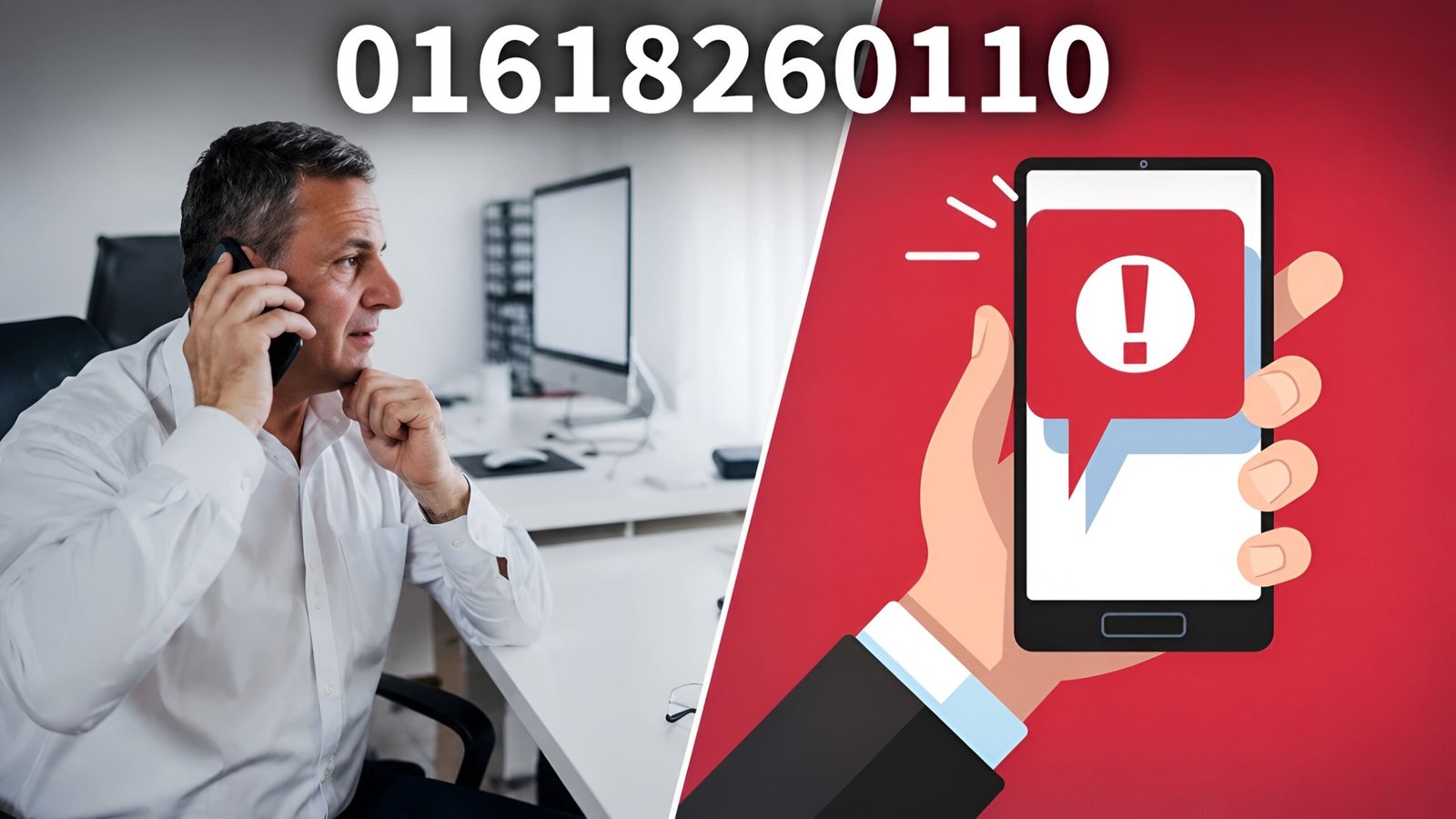
Receiving a call from 01618260110 usually indicates an unverified or unknown caller, which may be related to telemarketing systems, automated dialing, or spam activity. Since there is no confirmed official identity linked to this number, users are advised to avoid sharing personal details or returning the call without verification. Checking reports, using reverse lookup tools, and applying caution are the safest steps to protect your privacy and prevent potential fraud or unwanted communication risks.
Understanding Unknown Calls and Modern Communication Risks
Unknown calls have become a frequent part of modern mobile communication due to the widespread use of digital dialing systems, call routing technologies, and mass communication tools. These systems allow organizations, marketers, and sometimes malicious actors to contact large groups of people without revealing clear identification. As a result, users often receive calls from numbers they do not recognize, creating uncertainty about whether the call is important or potentially harmful. In many cases, such calls are not directly dangerous, but they still require careful handling. Understanding the nature of these calls helps users avoid unnecessary risks, especially when sensitive personal or financial information might be requested. Developing awareness about how unknown calls operate is the first step toward building safer communication habits in today’s digital environment.
Why People Receive Calls from Unfamiliar Numbers
There are several legitimate and non-legitimate reasons why individuals receive calls from unfamiliar numbers. Businesses often use third-party call centers, automated systems, or cloud-based dialing services that rotate numbers frequently to reach customers. Additionally, service verification calls, surveys, or promotional campaigns may also appear as unknown numbers. On the other hand, some calls originate from spam systems designed to test active numbers or deliver unsolicited marketing messages. In rare cases, scammers also use disguised numbers to attempt fraud. Because of these mixed sources, it becomes difficult to immediately determine whether a call is important or not. This is why users are encouraged to remain cautious and avoid reacting impulsively to unknown calls until proper identification is confirmed.
Common Behavior Patterns of Spam and Suspicious Calls
Spam and suspicious calls often follow recognizable behavior patterns that can help users identify them quickly. These include calls that disconnect immediately after ringing once, repeated calls within short time intervals, or silence when the call is answered. Some automated systems also play recorded messages instead of a live conversation. Another common pattern is the use of urgency, where callers attempt to pressure users into taking immediate action. These techniques are designed to confuse or manipulate recipients into sharing sensitive information. While not every unknown call is harmful, repeated exposure to such patterns should be treated as a warning sign. Recognizing these behaviors allows users to respond more carefully and avoid unnecessary engagement with potentially risky callers.
Important Risk Factors You Should Always Consider
When dealing with unknown calls, certain risk factors should never be ignored. The most significant warning sign is any request for personal, financial, or security-related information such as passwords, OTP codes, or bank details. Legitimate organizations do not request such data over unsolicited calls. Another risk factor is emotional pressure, where the caller may threaten penalties, account suspension, or legal consequences to force immediate action. Additionally, callers who avoid providing clear identification or official contact details should also be treated with suspicion. These signals are commonly associated with fraudulent activity. Understanding these risks allows users to stay alert and avoid falling into traps that could lead to financial loss or data misuse.
Verified Information About 01618260110 Caller Activity
At present, there is no publicly verified or official record confirming the identity or purpose of 01618260110. Based on general user reports and typical telecom behavior patterns, such numbers are often associated with automated dialing systems, promotional campaigns, or unverified call sources. However, it is important to note that without official telecom confirmation, no definitive classification can be made. Users should therefore treat this number as unverified and exercise caution. Avoid sharing any personal information or engaging in sensitive conversations unless the caller’s identity is properly established through trusted sources. Taking a neutral and careful approach ensures better protection against potential risks.
Why Calling Back Unknown Numbers Can Be Risky
Returning calls to unknown numbers can sometimes create unexpected risks. In certain cases, it may confirm to automated systems that your number is active, leading to an increase in future spam calls. Some international or premium-rate numbers may also result in unexpected charges when dialed back. Additionally, scammers may use callback techniques to engage users in conversations designed to extract personal data. Because of these possibilities, it is generally safer to avoid returning calls immediately. Instead, users should first verify the number through reliable sources or wait for a legitimate callback from an identifiable organization. This approach significantly reduces exposure to unnecessary risks.
Differentiating Between Legitimate and Fake Callers
Distinguishing between legitimate and fake callers requires attention to communication style and verification methods. Legitimate callers typically identify themselves clearly, mention official company names, and provide verifiable contact information. They also allow users time to confirm details independently. In contrast, fake callers often rely on vague introductions, urgency tactics, and refusal to provide written confirmation. They may also avoid answering direct questions or providing callback numbers linked to official organizations. Cross-checking the caller’s identity through official websites or customer service channels is one of the most reliable ways to confirm authenticity. This practice ensures that users are not misled by impersonation attempts.
Role of Reverse Lookup and Caller Identification Tools
Reverse lookup services and caller identification tools play an important role in helping users analyze unknown numbers. These platforms collect user reports, feedback, and call behavior data to build a general profile of suspicious or legitimate numbers. By entering an unknown number into such tools, users can often see whether it has been reported for spam or fraud. However, results may vary depending on user-generated data and may not always be fully accurate. Therefore, it is important to cross-check multiple sources before making conclusions. Using these tools as a reference rather than a final judgment helps improve decision-making when handling unknown calls.
Effective Ways to Protect Yourself from Unwanted Calls
Protecting yourself from unwanted calls requires a combination of technology and awareness. Mobile phones now offer built-in spam filters and call-blocking features that can reduce unwanted communication. Additionally, third-party applications can help identify and block suspicious numbers automatically. Users should also avoid sharing their phone numbers on untrusted websites or public platforms, as this increases exposure to spam databases. In some regions, registering with official do-not-call lists can further reduce marketing calls. Consistent use of these protective measures helps maintain privacy and reduces the chances of receiving repeated unwanted calls.
How Telecom Networks Help Reduce Spam Activity
Telecom companies are increasingly implementing advanced filtering systems to detect and block suspicious calling patterns. These systems analyze call frequency, behavior, and origin to identify potential spam sources. Many networks also allow users to manually report unwanted numbers, helping improve overall database accuracy. While these measures are effective to some extent, spam callers often adapt by changing numbers or using international routing systems. Therefore, telecom protection alone is not always sufficient. User awareness combined with network-level security provides the strongest defense against unwanted communication attempts.
What to Do Immediately After Receiving Suspicious Calls
If you receive a suspicious call, the most important step is to remain calm and avoid reacting impulsively. Do not share any personal or financial information, even if the caller sounds official. It is advisable to end the call and document the number for future reference. You can then search the number online or use caller identification tools to check for reports. If the call claims to represent a bank, company, or government agency, contact that organization directly using verified contact details. This ensures that you are communicating with a legitimate source rather than a potential impersonator.
Psychological Techniques Used in Phone Scams
Phone scammers often rely on psychological manipulation techniques to influence victims. These include creating a sense of urgency, fear, or excitement to override logical thinking. For example, they may claim that your bank account is at risk or that you have won a prize that requires immediate action. These emotional triggers are designed to push individuals into making quick decisions without verification. Understanding these psychological tactics helps users stay composed and evaluate situations more critically. Awareness of these methods is an important part of modern digital safety.
Technology Behind Automated Robocalls
Robocalls operate using automated dialing systems capable of contacting thousands of numbers within minutes. These systems are commonly used for marketing campaigns, reminders, and surveys, but they can also be misused for spam purposes. Because robocalls require minimal human interaction, they are cost-effective and widely used across different industries. However, this same efficiency also makes them attractive for unethical practices. Understanding how this technology works helps users recognize why they may receive repeated or silent calls from unknown sources.
Legal Measures and Regulations Against Spam Calls
Many countries have introduced laws and regulations aimed at reducing spam and fraudulent calls. These rules require companies to follow strict communication guidelines and allow users to report violations. Regulatory bodies can investigate and penalize organizations that engage in unauthorized calling practices. However, enforcement can be challenging, especially when calls originate from international networks or disguised systems. Despite these challenges, ongoing regulatory improvements continue to enhance protection for mobile users against unwanted communication.
Importance of Awareness in Preventing Call-Based Fraud
Awareness remains the most effective defense against call-based fraud and spam activity. Users who understand common scam patterns, risk factors, and verification methods are significantly less likely to become victims. Staying informed about how unknown calls operate allows individuals to respond more cautiously and make better decisions. Combining awareness with practical tools such as call blockers and verification services creates a strong protective system. In the end, informed users are the most resilient against communication-based threats.
Conclusion
Unknown calls should always be handled with caution, especially when the caller’s identity is not verified. By understanding call patterns, using safety tools, and maintaining awareness, users can significantly reduce their risk of scams or unwanted communication. A careful and informed approach ensures better privacy protection and safer digital communication habits.
FAQs
1. Is 01618260110 a verified number?
No official verification is available, so it should be treated as unknown.
2. Should I answer unknown calls?
It is better to verify first before engaging.
3. Can unknown calls be dangerous?
Some may be harmless, but others can be risky if misused.
4. What happens if I call back?
It may increase spam exposure or lead to unwanted charges.
5. How can I block such numbers?
Use phone settings or trusted call-blocking apps.
6. Are all unknown calls spam?
No, some may be legitimate but still require verification.
What is the safest response?
Do not share information and verify the number independently.
Fore more info: Uktimeinsider.co.uk
