
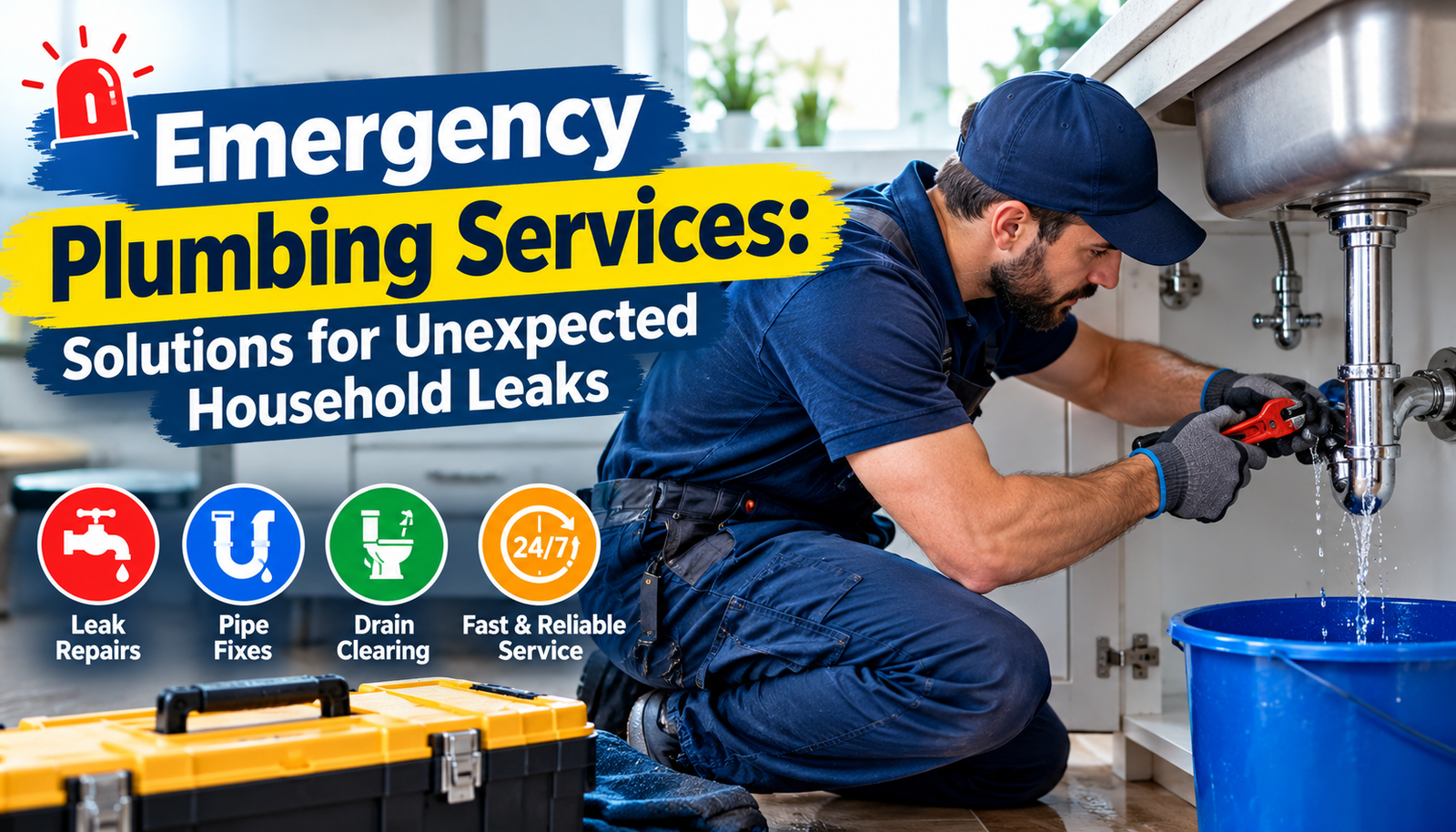
Emergency plumbing services help homeowners deal with sudden leaks, burst pipes, overflowing toilets, blocked drains, damaged water connections, and other urgent plumbing problems. Acting quickly can reduce water damage, protect household belongings, and prevent minor faults from becoming expensive repairs. Knowing how to shut off the water supply and when to contact a qualified plumber can make a significant difference during an emergency.
Introduction
Plumbing problems rarely happen at a convenient time. A pipe may begin leaking late at night, a bathroom drain may suddenly overflow, or a damaged connection beneath the kitchen sink may release water across the floor. These situations can disrupt everyday activities and create concerns about property damage, hygiene, and repair costs. When water continues flowing uncontrollably, waiting for a routine appointment may not be the best option.
Emergency plumbing services are designed to address urgent faults that require prompt attention. A professional plumber can identify the source of a leak, assess the condition of affected pipes, restore proper drainage, and recommend a suitable repair. Understanding which problems need immediate help and what to do before the plumber arrives can help homeowners respond more confidently and protect their property.
What Are Emergency Plumbing Services?
Emergency plumbing services provide urgent assistance when a plumbing fault threatens to damage a property, interrupt essential water access, or create an unsafe or unhygienic environment. Depending on the plumber and location, these services may be available outside standard business hours, including evenings, weekends, and holidays.
Typical emergency work includes repairing burst pipes, stopping serious leaks, addressing overflowing toilets, investigating water pressure problems, and dealing with drains that are backing up into a home. Some plumbers also handle leaking water heaters, damaged valves, and failed water supply connections. The exact services available depend on the provider’s experience, equipment, and service area.
Not every plumbing issue requires an emergency callout. A slowly dripping tap or a minor cosmetic problem may be suitable for a scheduled appointment if it can be safely contained. However, rapidly spreading water, sewage entering living spaces, or leakage near electrical equipment requires a more urgent response. The key is to assess the seriousness of the problem rather than judging it only by how inconvenient it appears.
Common Household Plumbing Emergencies
1. Burst or Damaged Pipes
Burst pipes are among the most serious household plumbing problems because they can release a substantial amount of water in a short period. Pipe damage may result from corrosion, excessive pressure, deteriorated materials, accidental impact, or poorly maintained connections. In colder climates, freezing can also cause pipes to split.
Signs of a damaged pipe include sudden water pressure changes, unexplained wet patches, water appearing on ceilings, damp walls, or the sound of running water when taps are closed. Some leaks remain hidden behind walls or beneath floors, making them difficult to locate without professional inspection.
If a pipe bursts, shut off the main water supply if you can reach the valve safely. Keep away from wet electrical equipment and flooded areas containing electrical hazards. Contact an emergency plumber to locate the fault and determine whether the damaged section can be repaired or needs replacement.
2. Unexpected Leaks Around the Home
Leaks can develop around kitchen sinks, bathroom basins, toilets, washing machines, water tanks, and exposed pipe connections. Even a small leak can cause problems when it continues unnoticed, particularly if moisture enters cabinets, flooring, walls, or ceilings.
Common causes include worn seals, loose fittings, damaged washers, corroded pipes, and deteriorating connections. A leak may also indicate a problem inside a concealed pipe rather than at the point where water becomes visible.
A plumber can inspect the affected area, identify the likely source, and recommend an appropriate repair. Depending on the situation, the work may involve replacing a seal, tightening or renewing a fitting, repairing a pipe section, or using specialist leak-detection equipment. Repairing the underlying cause is more reliable than repeatedly wiping away water or covering the visible stain.
3. Blocked Drains and Overflowing Toilets
Blocked drains can prevent wastewater from leaving sinks, showers, toilets, and other fixtures. Kitchen blockages often develop from accumulated grease, food particles, and residue, while bathroom drains may collect hair, soap deposits, and other debris.
A single slow-draining sink is not always an emergency. The situation becomes more serious when wastewater backs up into the home, several drains stop working together, or an overflowing toilet threatens to contaminate floors and nearby belongings. Repeated blockages may indicate a deeper obstruction in the drainage system.
Stop using the affected fixture if water is backing up. Avoid flushing repeatedly or adding chemical drain cleaners, especially when the drain is completely blocked or the contents are unknown. A professional plumber can assess the obstruction and select an appropriate method, such as mechanical clearing or specialist drain-cleaning equipment.
4. Water Heater and Geyser Leaks
Water heaters and geysers rely on plumbing connections, valves, and other components that may deteriorate over time. Problems can include leaking inlet or outlet connections, damaged valves, unusual pressure behaviour, and water escaping from the unit itself.
A leak from a connection may require a different repair from a leak in the body of the heater. A damaged tank can indicate a serious fault, and simply sealing the visible area may not provide a dependable solution. Gas-powered and electrically powered systems also present additional safety considerations.
If a water heater is leaking significantly, stop using it and isolate the water supply only if it is safe to do so. Do not touch wet electrical controls or attempt to dismantle a pressurised or hot unit. Arrange professional inspection, and contact an appropriately qualified technician if the problem involves gas, electricity, or the appliance’s internal components.
5. Sudden Loss of Water Pressure
A sudden drop in water pressure can affect showers, taps, washing machines, and other household fixtures. Sometimes the cause is a temporary interruption in the public supply. In other cases, a partially closed valve, blocked pipe, leaking connection, faulty pump, or plumbing-system defect may be responsible.
Start by checking whether the problem affects one fixture or the entire property, provided doing so is safe. If only one tap is affected, the issue may be local. If multiple fixtures lose pressure together, the cause may involve the main supply, storage tank, pump, or wider pipe network.
A plumber can investigate the system and determine whether a repair, valve adjustment, pump inspection, or pipe replacement is necessary. Avoid purchasing replacement equipment before the cause has been established, as the visible symptom does not always identify the faulty component.
What to Do Before an Emergency Plumber Arrives
Taking sensible precautions can limit further damage while you arrange professional help. Your first priority should always be personal safety, not attempting a complicated repair.
Shut Off the Water Supply
If water is leaking from a pipe or connection, locate the nearest suitable shutoff valve or the main water valve. Turn it off only if you can access it safely. Knowing the location of the main valve before an emergency occurs can save valuable time.
For a leak associated with a particular fixture, an individual isolation valve may stop the flow without interrupting the entire property’s supply. If you cannot identify the correct valve or reaching it would require entering a flooded or hazardous area, keep away and seek professional assistance.
Protect Yourself From Electrical Hazards
Water and electricity are a dangerous combination. Never step into standing water if electrical outlets, appliances, wiring, or other electrical equipment may be affected. Do not touch switches or electrical devices while standing in water.
If flooding reaches electrical equipment, stay clear and contact a qualified electrician or the appropriate emergency service. Do not assume that a small amount of water is harmless. Electrical hazards can remain present even when the visible leak appears manageable.
Reduce Damage Where It Is Safe
Once the water source has been isolated and the area is safe, move portable belongings away from the affected space. Towels or suitable containers may help collect minor drips, but do not use them as a reason to delay urgent repairs.
Photographs of the leak and affected belongings may help with later documentation or an insurance claim. Avoid opening damaged ceilings, disturbing contaminated wastewater, or attempting to remove heavy waterlogged materials without suitable assistance.
Explain the Problem Clearly
When contacting a plumber, describe where the water is coming from, when the problem started, whether the flow is continuing, and which fixtures are affected. Mention any visible ceiling damage, sewage backup, unusual noises, or nearby electrical hazards.
Clear information helps the provider assess the urgency of the call and determine what equipment may be needed. It also gives you an opportunity to ask about expected arrival times, callout charges, and any immediate precautions you should take while waiting.
How Professional Emergency Plumbing Repairs Work
The repair process usually begins with an assessment of the reported problem. The plumber examines visible symptoms, checks relevant valves and connections, and investigates the likely source of the fault. More complicated cases may require leak-detection tools, drain-inspection equipment, or additional testing.
Once the cause has been identified, the plumber should explain the recommended repair and any important alternatives. Depending on the damage, the solution could involve replacing a pipe section, renewing a faulty valve, clearing an obstruction, repairing a leaking connection, or arranging a specialist inspection.
After completing the work, the plumber should check the repaired area for leaks and confirm that the affected fixture or system is operating correctly. Some repairs may require follow-up work, especially when water has entered walls, floors, or ceilings. Plumbing repairs stop the source of the water, but separate drying and restoration work may be necessary to address existing property damage.
How Much Do Emergency Plumbing Services Cost?
The cost of an emergency plumbing callout depends on several factors, so there is no single price that applies to every household. A minor accessible leak may be relatively straightforward to repair, while a burst pipe behind a wall or a serious drainage obstruction can require more time, equipment, and replacement materials.
Important cost factors include the severity of the problem, the time of the call, the location of the property, the accessibility of the damaged pipe, labour requirements, and the cost of parts. Evening, weekend, and public-holiday visits may also involve additional charges.
Before authorising non-emergency work, ask for a clear estimate that separates the callout fee, labour, parts, and any additional services. Confirm whether the initial inspection is charged separately and whether the quoted amount could change if hidden damage is discovered. A very low initial price is not necessarily the cheapest overall option if essential work or materials are excluded.
Homeowners should also distinguish between plumbing repair costs and water-damage restoration costs. Drying damp walls, replacing damaged flooring, or repairing ceilings may require a separate contractor. If insurance may apply, document the damage and contact the insurer promptly to understand the policy requirements.
How to Choose a Reliable Emergency Plumber
Choosing a plumber during a stressful situation can be difficult, particularly when water is spreading or essential facilities are unavailable. Taking a few minutes to check the provider’s credentials and terms can help you make a more informed decision.
Look for relevant qualifications or licensing where required, appropriate insurance, experience with the specific type of fault, and a clear explanation of the work being offered. Ask whether the provider handles your location and whether emergency visits are genuinely available at the time you need them.
Transparent pricing is another important consideration. A reliable professional should explain the callout fee, likely repair options, potential extra charges, and any limitations on the initial estimate. Be cautious of anyone who insists on major replacement work without explaining the diagnosis or refuses to clarify what the quotation includes.
Reviews can offer useful context, but they should not be the only factor in your decision. Consider how the provider communicates, whether the proposed solution addresses the underlying cause, and whether you receive clear information about the completed repair.
Practical Ways to Prevent Future Plumbing Emergencies
Although not every plumbing failure can be prevented, regular attention can reduce the likelihood of some common problems. Prevention begins with recognising early warning signs and addressing them before they develop into larger faults.
Inspect visible pipes, taps, toilet connections, and the areas beneath sinks periodically. Look for moisture, corrosion, discolouration, or unexplained changes in water pressure. If a damp patch appears on a wall or ceiling, investigate the cause rather than covering it with paint.
Keep grease, cooking oil, food scraps, and unsuitable materials out of drains. Use drain covers where appropriate and respond to repeated slow drainage instead of relying on temporary fixes. Avoid flushing items that are not designed to pass through the toilet’s drainage system.
Check water tanks, pumps, and water-heater connections for visible signs of leakage. Equipment that behaves unusually should be assessed before the problem worsens. Never attempt electrical or gas-related repairs unless you have the appropriate qualifications.
Finally, make sure household members know where the main water shutoff valve is located. Keep the contact details of a trusted plumber accessible and consider periodic professional inspections if your property has older pipework or a history of recurring leaks.
Conclusion
Unexpected leaks, burst pipes, blocked drains, and water-heater faults can quickly turn ordinary household routines into stressful situations. The most effective response is to recognise the seriousness of the problem, stop the water supply when it is safe, avoid electrical and contamination hazards, and seek qualified assistance when necessary.
Emergency Plumbing Services can help identify the underlying fault, carry out appropriate repairs, and restore normal operation as quickly as the situation allows. Before choosing a provider, confirm service availability, understand the pricing structure, and ask what the repair includes. Combining prompt action with regular maintenance can help reduce avoidable damage and make future plumbing problems easier to manage.
Frequently Asked Questions
1. What is considered a plumbing emergency?
A plumbing emergency commonly includes an uncontrolled leak, a burst pipe, sewage backing up into the home, serious flooding, or water leaking near electrical equipment. A significant water-heater leak may also require urgent attention. The priority is to prevent injury and further damage while arranging appropriate professional help.
2. Should I turn off the water before calling an emergency plumber?
If water is actively leaking and you can safely reach the correct shutoff valve, turning off the supply can help limit damage. Do not enter standing water or approach electrical hazards to reach a valve. If the source cannot be isolated safely, keep clear of the affected area and seek professional assistance.
3. Are emergency plumbing services available at night?
Some plumbing providers offer evening, overnight, weekend, or holiday callouts, while others operate only during regular business hours. Availability varies by location and provider. When calling, confirm the expected arrival time, the emergency callout fee, and whether the company can handle your specific problem.
4. How can I reduce the cost of an emergency plumbing repair?
Act promptly when a leak appears, shut off the water if safe, and explain the symptoms clearly. Ask for a breakdown of callout charges, labour, parts, and possible additional costs before approving work. Regular maintenance and early attention to recurring problems can also reduce the risk of more extensive repairs.
5. Can I repair a leaking pipe myself?
A minor issue involving an accessible fixture may sometimes be manageable for someone with appropriate experience. However, burst pipes, concealed leaks, pressurised systems, sewage problems, and faults near electrical equipment require greater caution. Temporary measures should not replace a proper repair when the underlying problem could cause further damage.
