
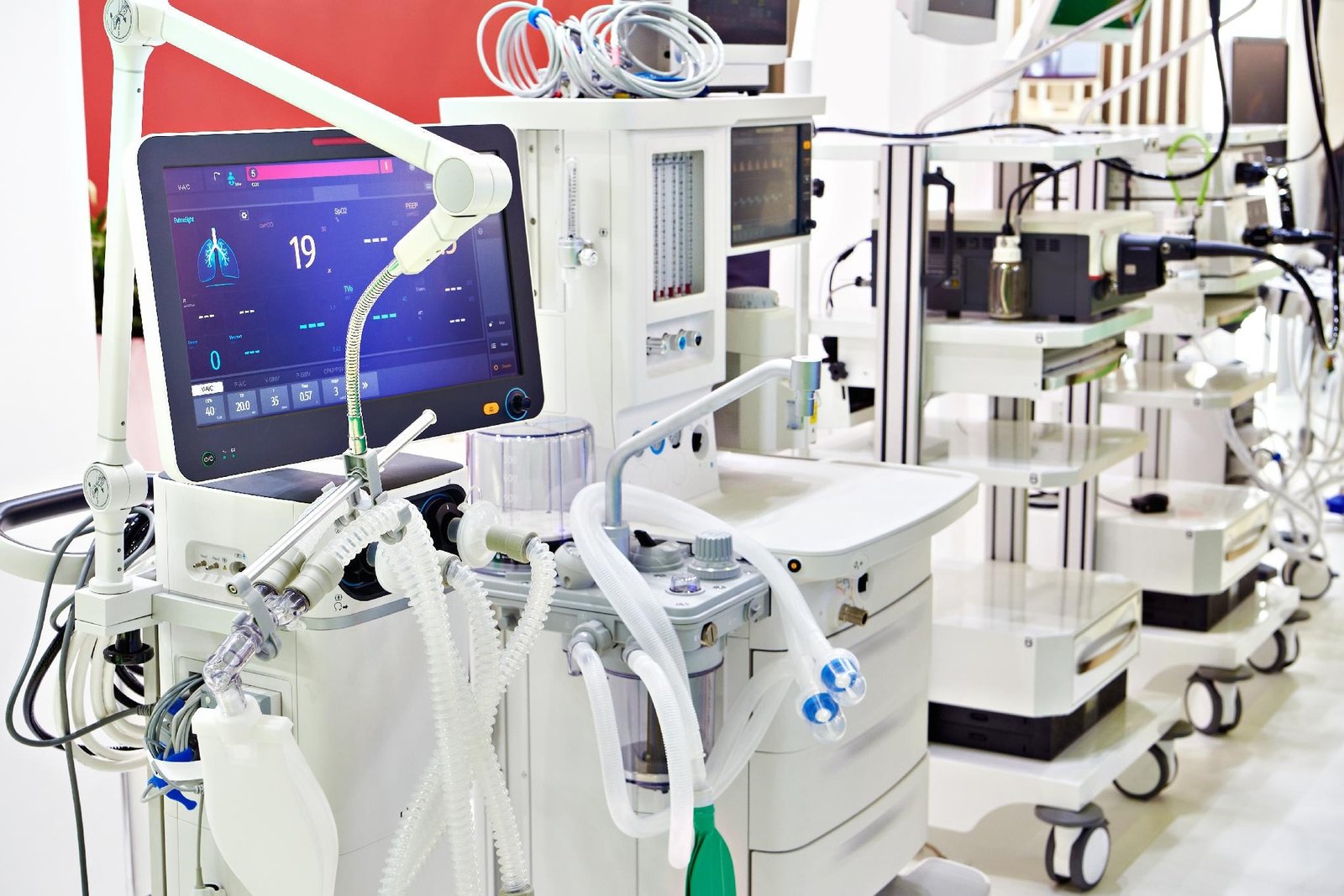
Leasing medical equipment offers a viable means for healthcare organizations to acquire the latest clinical technology without having to invest large amounts of capital upfront. Medical devices and diagnostic tools keep advancing, incorporating such technologies as artificial intelligence, connectivity, advanced imaging, robotics, and digital health solutions. Technology advances, therefore, can be accommodated through leasing and can assist healthcare organizations in managing their working capital and budgeting in a better way. In addition, medical equipment leasing allows healthcare facilities to be flexible in light of changes in equipment needs.
Why Technology Upgrades Matter
The right application of healthcare technology may enhance the diagnostic process, increase the efficiency of workflows, and improve patient monitoring and access to care. Today’s trends in medical technologies consist of artificial intelligence, sophisticated imaging technologies, robotics, wearable technologies, and connected health solutions. Therefore, regular assessment of the currently owned equipment is crucial. Nevertheless, acquiring all innovative systems in one purchase may be quite expensive and put strain on the budget for capital assets. Medical equipment leasing gives healthcare organizations an opportunity to pay for the equipment gradually and still be able to use the newest technology.
How Medical Equipment Leasing Supports Upgrades
Leasing can serve a strategic purpose that goes beyond offering a substitute to buying the necessary equipment. The strategic benefit of leasing mainly lies in the combination of access, predictable financial terms, and upgrade options.
1. Reduction in Initial Capital Outlay
State-of-the-art medical diagnostics and treatment equipment may be expensive to buy in bulk, especially when several departments must be modernized simultaneously. Medical equipment leasing offers an opportunity to alleviate the initial capital outlay burden because instead of buying one big piece of equipment, you make payments throughout the leasing period. Doctors thereby ensure that their capital is spent on hiring personnel, improving the facilities, purchasing supplies, etc. In particular, having enough capital may come in handy in case of unforeseen expenses or opportunities that arise for the healthcare institution.
2. Enhancing the Management of Cash Flow
Consistent payments for equipment are helpful when it comes to making financial plans since one can estimate regular expenses together with the expected income from operations. Medical equipment leasing allows matching payments according to the time during which the equipment is going to be used in treatment. Providers can also choose various payment schemes depending on the agreement and their own financial needs. It will allow for more efficient budget planning. Understanding the way in which payments for equipment influence cash flow can help with healthcare financing.
3. Managing the Obsolescence of Technology
The technology in use within medicine is always changing, meaning that there will come times when it becomes obsolete as better technology becomes available. Medical equipment leasing may make it easier to replace the technology, particularly when this is done as part of an agreement that covers upgrades, renewals, or returns. It is important because artificial intelligence, connectivity, and advanced digital technology are more common within medical equipment. Instead of being restricted by obsolete technology, organizations can plan their equipment strategy based on the lifecycle of the technology.
4. Enhancing Operational Flexibility
Healthcare demand changes, so medical equipment needs to be flexible enough to adapt to changes in patient volume, services offered, and other factors. Leasing can give providers flexibility to change equipment without making every adjustment a major investment decision. In some instances, a medical equipment leasing arrangement can allow an operator to lease not only equipment but also its servicing. The operational flexibility can help clinicians concentrate more on the use of technology instead of being involved in the process of owning equipment.
5. Facilitating Competitive Healthcare Services
Advanced technology is capable of impacting the scope, rate, and effectiveness of the services that can be provided by healthcare institutions. Medical equipment leasing allows organizations to utilize the necessary technology faster than in cases where it could take time to buy it. Modern healthcare executives are now considering AI, automation, data-based care, and technology among the top priorities for investment. As part of broader medical practice growth strategies, leasing can therefore help in achieving growth through medical practice in addition to the use of technology as the only way for development.
Building a Smarter Upgrade Strategy
A proper implementation of the lease can be achieved only if the service providers view it within the context of an overall technology and finance strategy instead of viewing it in isolation as merely a source of funds. Medical equipment leasing should be viewed in terms of the equipment’s life cycle, clinical need, usage expectations, maintenance costs and requirements, provision for upgrades, and total lease period.
Key considerations include:
- Clinical application: Identify whether the equipment is actually needed for the diagnosis, therapy, or workflow process.
- Technology life cycle: Evaluate how soon the equipment or technology could become obsolete.
- Payment method: Determine whether the payment schedule matches the budgeted cash flow of the company.
- Maintenance services: Ascertain whether servicing, repairing, and other support services will be provided through the agreement.
- Technology upgrades: Determine whether there are any means to upgrade to new technologies.
Final Words
Leasing medical equipment has proven to be a viable way for health care providers who want to update their technology and manage their financial means efficiently. It allows reducing the burden of initial investments, improving cash flow management, and increasing flexibility when making decisions about replacing equipment. At the same time, medical equipment leasing could assist providers in adapting quickly to the rapid development of AI, telehealth, and other digital solutions in health care without waiting until all the investments in technologies fit the purchasing cycle. In order to achieve success, one should carefully analyze the clinical benefits, life cycle of equipment, contract terms, and further replacement needs.
