
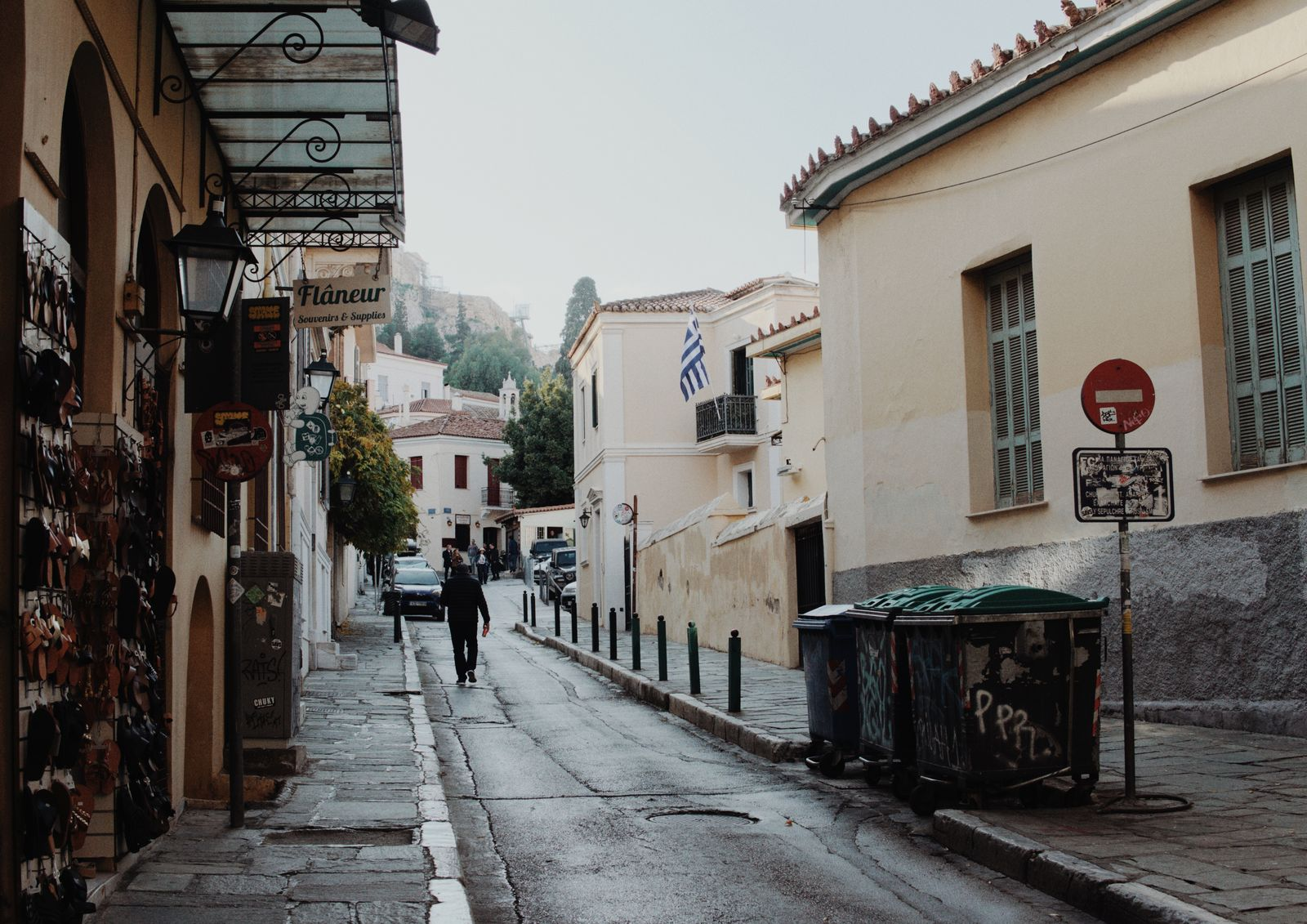
Most people picture Athens in blinding July light, with queues snaking up the Acropolis and pavements radiating heat long after dark. Far fewer think of it in the depths of winter, which is a pity, because the Greek capital in January or February is a rather different place and, for many travellers, a more agreeable one.
The weather is the first surprise. Athens does get rain and the odd cold snap, and a blustery northerly can make the hilltops feel properly chilly. But there are plenty of clear, crisp days when the sky turns a deep blue and the marble glows in the low winter sun. Pack a decent coat, a scarf and shoes with some grip, and you’ll be fine.
Fewer crowds, different rhythms
The real luxury is space. Archaeological sites that feel overwhelmed in high season become almost contemplative. You can linger at the Temple of Olympian Zeus without being jostled, or wander the paths of Philopappos Hill and meet more dog walkers than tourists. Winter opening hours at many sites are shorter, so it pays to check times before you set off and to save outdoor visits for the morning.
The city shifts gear, too. Athenians reclaim their neighbourhoods. Tavernas light their stoves, bakeries fill with seasonal sweets, and the cafés of Koukaki and Pangrati hum with locals rather than visitors. Street sellers roast chestnuts on corners in the city centre, and the smell drifts halfway down the block. It is a good moment to see how Athens actually lives, rather than how it performs for the summer crowds.
Getting under the skin of the place
With fewer people about, a guided visit can feel more like a conversation than a lecture. That is partly why private athens tours appeal to winter visitors: with a licensed guide and only your own party, you can shape the day around the weather, linger where something catches your interest and skip what doesn’t. A good guide will happily swap the order of sites if rain is forecast for the afternoon, or add a detour to a small Byzantine church tucked between apartment blocks that you would otherwise walk straight past.
When the weather does turn, Athens has no shortage of places to shelter. The Acropolis Museum, with its glass floors over excavated streets, can easily fill a morning. The National Archaeological Museum deserves at least as long, and the Benaki and the Museum of Cycladic Art reward anyone with a spare afternoon and an interest in how Greek art and daily life changed over the centuries.
Food, naturally, follows the season. Winter is the time for bean soup, slow-cooked stews, lentils and greens from the hills, the sort of dishes that rarely make it onto summer menus aimed at visitors. Ask what is cooking that day rather than reaching for the laminated list, and you will usually eat better.
Evenings are for wandering. The old streets of Plaka are hushed in winter, lit by lamps and the glow of the occasional open taverna. Small music venues host rebetiko nights, and though the songs may be unfamiliar, the mood needs no translation.
Athens in winter asks a little more of you: an umbrella, a flexible plan, a willingness to duck into a café when the clouds roll in. What it gives back is a city with room to breathe.
